
Firsthand: 3D-Printed Nails in PA12-CF on a Bambu Lab Printer
By the publisher (firsthand project) · Published · Updated
This one we actually made. The publisher printed a batch of nails in PA12-CF (carbon-fibre-filled nylon 12) on his Bambu Lab printer and drove them into wood on camera. It is a good demonstration of what CF nylon is for: stiff, tough, low-moisture parts that have to take a hit. Watch the short below; the notes underneath cover what PA12-CF needs from the printer and where it fits against Bambu's own PAHT-CF and PA6-CF.
The video
Filmed by the publisher. Printer: Bambu Lab (from the publisher's own fleet, see About). Material: PA12-CF.
What PA12-CF needs (from Bambu Lab's filament documentation)
| Nozzle | Hardened steel, 0.4 mm or larger. Carbon fibre destroys a stainless nozzle. |
| Drying | Nylon absorbs water fast; print from a dryer or the AMS HT, otherwise expect stringing and weak layers. |
| Enclosure | Recommended for PA; the publisher prints nylon on enclosed machines. |
| Plate | Textured PEI or engineering plate with glue for PA; nylon warps on a cold, bare plate. |
| Bambu equivalents | Bambu Lab sells PAHT-CF and PA6-CF; PA12-CF is a third-party nylon. PA12 absorbs less moisture than PA6 and is more dimensionally stable, at the cost of a little strength. |
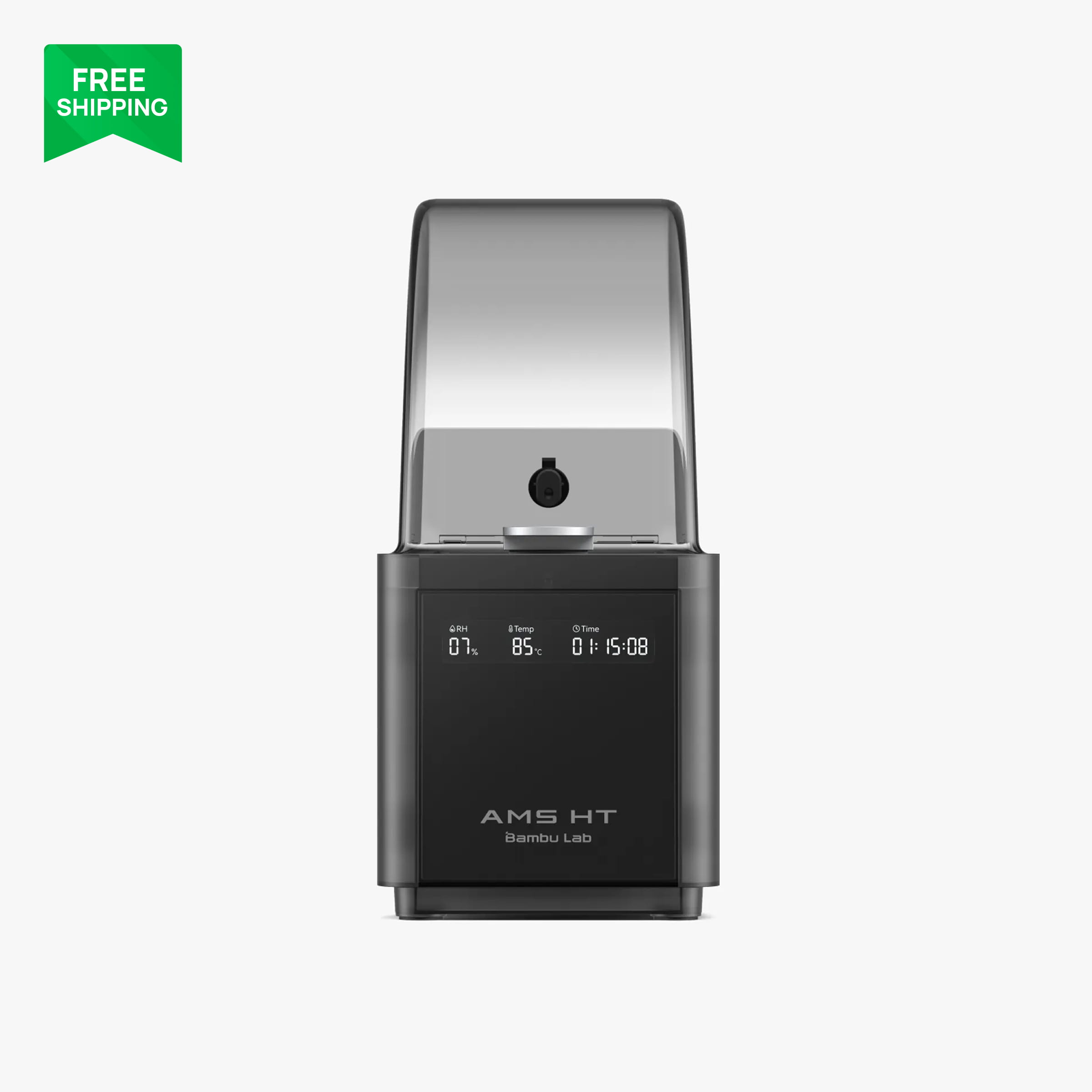
Details & specs
| Full listing name | Bambu Lab AMS HT |
| Brand | Bambu Lab |
| Product type | AMS Multi-Color Units |
| Personally used | Yes, by the publisher (see About) |
| Sold by | Bambu Lab |
| Feed price | $139.00 USD |
| Availability (feed) | In stock |
| Captured | 2026-08-22 00:24 UTC |
Merchant feed data, not tested by us · Research page. Check current price →
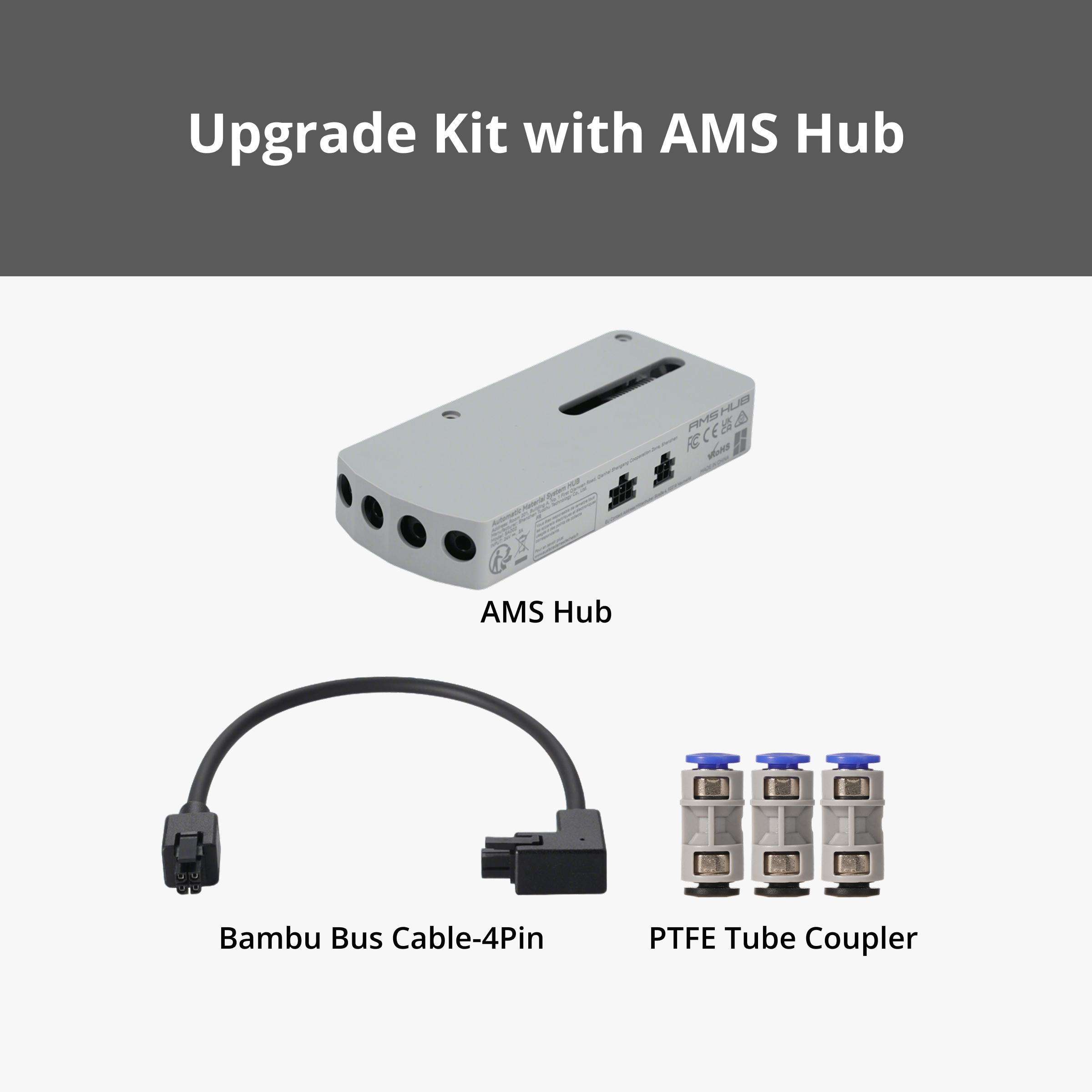
Details & specs
| Full listing name | AMS/AMS HT Upgrade Compatibility Kit |
| Brand | Bambu Lab |
| Product type | Upgrades & Accessories |
| Sold by | Bambu Lab |
| Feed price | $57.97 USD |
| Availability (feed) | In stock |
| Captured | 2026-08-22 00:24 UTC |
Merchant feed data, not tested by us. Check current price →
What it is good for, and what it is not
CF nylon is the material for brackets, clips, tool handles, drone arms and anything loaded in bending that also has to survive being dropped. Printed nails are a party trick that shows the stiffness and impact tolerance; they are not a substitute for steel fasteners under real shear load. Do not use printed nails for anything structural or anything that can hurt someone if it fails.
What was not tested
No pull-out or shear figures were measured; the video shows the nails driven and holding, nothing more. Layer orientation (nails printed standing vs lying) changes strength dramatically and was not compared. Treat this as a firsthand demonstration, not a test report.
Sources
- Bambu Lab Wiki: filament guide (nozzle, drying and enclosure requirements by material)
- Bambu Lab Wiki: nozzle compatibility with abrasive filaments
- Publisher's video: 3D-printed nails in PA12-CF
FAQ
Can I print PA12-CF on an A1 or A1 mini?
Mechanically yes with a hardened nozzle, but open-frame printers make nylon warping and layer splitting more likely; an enclosed P or H series machine is the realistic choice.
Does the AMS handle CF nylon?
Use the AMS HT (single spool, heated drying) for nylon and CF filaments; the standard AMS does not dry and its PTFE path wears with abrasive filament.
More guides
- Which Bambu Lab Printer Should You Buy? A Maker's Decision Tree
- Bambu Lab A1 vs P1S vs P2S: Which Mid-Range Printer Is Right for You?
- Bambu Lab AMS Explained: AMS lite vs AMS vs AMS 2 Pro vs AMS HT
- Best Bambu Lab Filament for Functional Parts: PLA Basic vs Tough+ vs PETG HF vs ABS
- Bambu Lab Build Plates Explained: Which Plate for Which Filament
- Your First Week with a Bambu Lab Printer: Setup, First Prints and What to Buy
This is a firsthand project by the publisher; the material requirements quoted come from the manufacturer documentation listed above. Updated 2026-08-23. Corrections: contact us.